
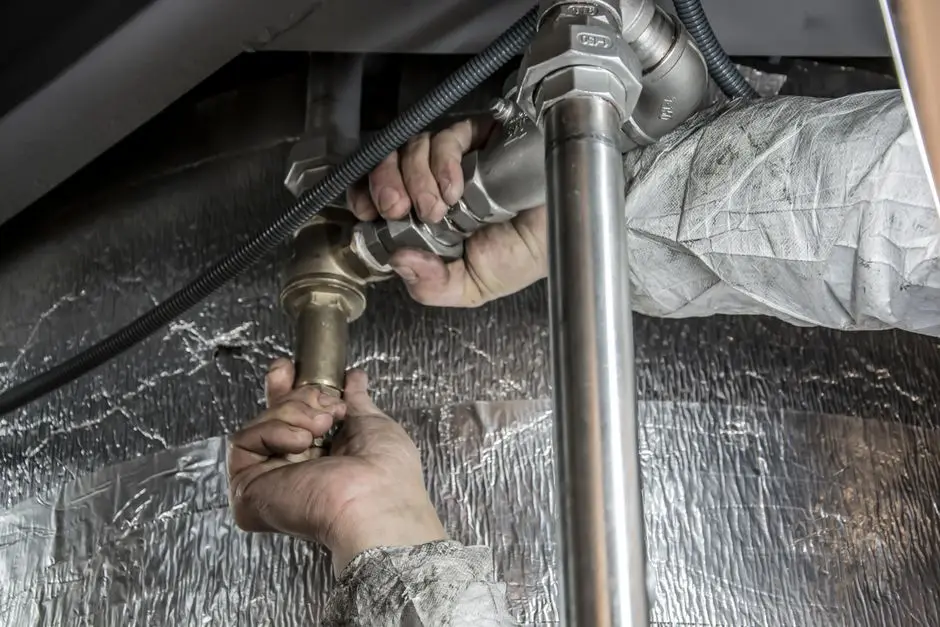
To prepare your plumbing for winter in Covina CA, insulate every exposed pipe in the garage, attic, and crawlspace, disconnect garden hoses, drain the water heater, and know where your main shut-off valve is before the first freeze. Covina nights drop into the low 30s from December through February, and that is cold enough to split a copper line or crack a PVC fitting. This guide covers the exact steps we take on winter plumbing checkups across Covina, what to do if a pipe freezes, and when a small drip turns into a job for a professional.
Why Covina plumbing is at risk in winter
Covina's winter problem is not deep cold - it is cold nights after warm days. The San Gabriel Valley swings from 70°F afternoons in November to 35°F at 5 a.m., and that 35-degree swing stresses pipes more than a steady freeze would. Water expands roughly 9% when it turns to ice, and a copper line at 32°F can split in under four hours if it is exposed.
The bigger risk in Covina is where pipes run. Most homes built between 1950 and 1980 have copper supply lines in unheated attics and garages. Those lines freeze first because they sit against cold framing with no insulation. Homes in Charter Oak and along the older streets near downtown are especially prone to this - we see more burst attic lines there than anywhere else in the area.
Hard water makes it worse. Covina water runs 10-14 grains per gallon, which leaves scale inside pipes and water heaters. Scale narrows the line, slows flow, and gives ice a place to grab. A pipe that is already 30% scaled freezes faster than a clean one.
Do pipes freeze in Covina, California?
Yes. Pipes freeze in Covina, California every winter, most often on nights when the temperature drops below 32°F for more than three or four hours. The National Weather Service issues freeze warnings for the San Gabriel Valley several times each season, and we get emergency calls the morning after almost every one.
The pipes that freeze are almost never the ones inside your heated living space. They are the ones in the garage wall, the attic above the kitchen, the hose bib on the north side of the house, and the irrigation line you forgot to blow out. Those lines have no heat source and no insulation.
If you want a quick test, go outside on a cold morning and feel the pipe feeding your hose bib. If it is cold to the touch and you can see bare copper, it needs insulation before the next cold snap.
Your Covina winter plumbing checklist
This is the same list we run through on a winter plumbing checkup in Covina. You can do most of it in an afternoon with $40 of materials from any hardware store on Citrus Avenue.
1. Insulate every exposed pipe
Wrap foam pipe insulation around any copper or PVC line in the attic, garage, crawlspace, and along exterior walls. Focus on the first three feet of pipe coming out of the water heater and any line within 12 inches of an exterior wall. Foam sleeves cost about $2 for a 6-foot section - cheap insurance against a $600 repair.
2. Disconnect and drain garden hoses
A hose left connected traps water in the hose bib. That water freezes, expands, and cracks the valve body from the inside. Disconnect every hose, drain it, and store it in the garage. If you have a shut-off valve for the hose bib, close it and open the bib to drain the line.
3. Drain and flush the water heater
Sediment settles in the bottom of a tank water heater over the year. In winter, that layer of sediment makes the burner work harder and can shorten the tank's life. Drain 3-5 gallons from the bottom valve, then refill. If your heater is more than 10 years old and you are seeing rusty water, it is time to talk about water heater repair Covina CA before it fails on a cold morning.
4. Locate your main shut-off valve
Find the main shut-off - usually near the street or on the side of the house - and make sure it turns. If it is stuck, that is a job for a plumber. In an emergency, you have about 60 seconds to stop the water before damage spreads.
5. Check exterior faucets and irrigation
Blow out irrigation lines with compressed air, or drain them if you have a drain valve. Any water left in a drip line will freeze and split the tubing. This is the single most common winter repair we do in Covina.
6. Insulate the water heater and pipes in the garage
An insulation blanket on the water heater costs about $30 and cuts standby heat loss. Wrap the first 6 feet of hot and cold lines coming out of the tank.
What to do if pipes freeze in Covina CA
If a pipe freezes in Covina CA, shut off the main water valve first, then open the nearest faucet and warm the pipe slowly with a hair dryer or a towel soaked in warm water. Never use an open flame. Most frozen lines thaw in 20-40 minutes if you warm them from the end closest to the faucet.
Here is the order we use:
- Shut off the main water valve.
- Open the faucet nearest the frozen section so melting water has somewhere to go.
- Apply gentle heat - hair dryer, heat lamp, or warm towels - starting at the faucet end and working back.
- Watch for leaks as the pipe thaws. A split pipe often does not leak until the ice melts.
- If you see water spraying or dripping after thaw, keep the main valve off and call a plumber.
If the pipe is inside a wall or under a slab, do not try to thaw it yourself. That is when you call us. We use thermal imaging and acoustic listening to find the freeze point without opening the whole wall, and we can usually have water back on the same day.
Common mistakes we see every winter
The same four mistakes cause most of the winter water damage we repair in Covina. Avoid them and you will likely skip the emergency call entirely.
- Leaving the hose connected. This is the number one cause of cracked hose bibs. It takes 30 seconds to disconnect.
- Using a torch to thaw a pipe. We have seen two house fires in the last five years from this. Use a hair dryer or heat gun on the lowest setting.
- Ignoring a slow drain. A drain that is already partially clogged will freeze faster because water sits in the trap. If your kitchen sink is slow in November, get drain cleaning Covina CA before December.
- Not insulating the attic line. Most Covina homes have at least one supply line running through the attic. If it is bare copper, it is a freeze risk every year.
One more: do not leave a space heater running in the garage overnight to keep pipes warm. We see more fires from that than from frozen pipes.
When to call a professional
Call a plumber when you cannot find the freeze point, when a pipe has already split, or when your water pressure drops across the whole house after a cold night. Those are the three signs that a DIY fix will not hold.
We handle winter plumbing preparation across Covina and the surrounding neighborhoods every November and December. Our team insulates exposed lines, drains water heaters, checks shut-off valves, and pressure-tests the system so you know it will hold. If something does freeze, we find it fast and fix it right the first time. You can see the full range of what we do on our plumbing Covina CA page, or call us directly if you are already dealing with a leak.
If you are in a neighboring city, we also cover plumbing in West Covina and the surrounding San Gabriel Valley communities.
Frequently Asked Questions
How do I prepare my plumbing for winter in Covina CA?
Insulate all exposed pipes in the attic, garage, and crawlspace, disconnect and drain garden hoses, drain 3-5 gallons from your water heater, blow out irrigation lines, and confirm your main shut-off valve turns freely. Do this before the first freeze warning, usually in late November or early December.
Do pipes freeze in Covina, California?
Yes. Covina sees overnight lows in the low 30s from December through February, and exposed pipes in attics and garages freeze regularly. The San Gabriel Valley gets several freeze warnings each season, and most burst-pipe calls come the morning after a hard freeze.
What should I do if my pipes freeze in Covina?
Shut off the main water valve, open the nearest faucet, and warm the pipe slowly with a hair dryer or warm towels, starting at the faucet end. Never use an open flame. If the pipe is inside a wall or under a slab, call a plumber - thawing those yourself can cause a flood.
Who can winterize my plumbing near me in Covina CA?
A1 Plumbing Covina CA handles full winter plumbing checkups, including pipe insulation, water heater draining, shut-off valve testing, and leak detection. We serve Covina and the surrounding San Gabriel Valley. Call 626 687 0334 to schedule before the first cold snap.
How much does winter plumbing preparation cost in Covina?
A basic winter checkup in Covina runs $150-$350 in 2026, depending on how many exposed lines need insulation and whether the water heater needs a flush. A burst pipe repair typically costs $500-$1,500, so the checkup pays for itself the first time it prevents a freeze.
Get help with plumbing in Covina
Winter plumbing preparation in Covina takes an afternoon, and it is the cheapest insurance you can buy against a burst pipe. If you would rather have it done right the first time, our team is ready.
Call A1 Plumbing Covina CA at 626 687 0334 to schedule your winter plumbing checkup before the first freeze.